
Principal Blog
WN7 arrives in silence
01 May 2026
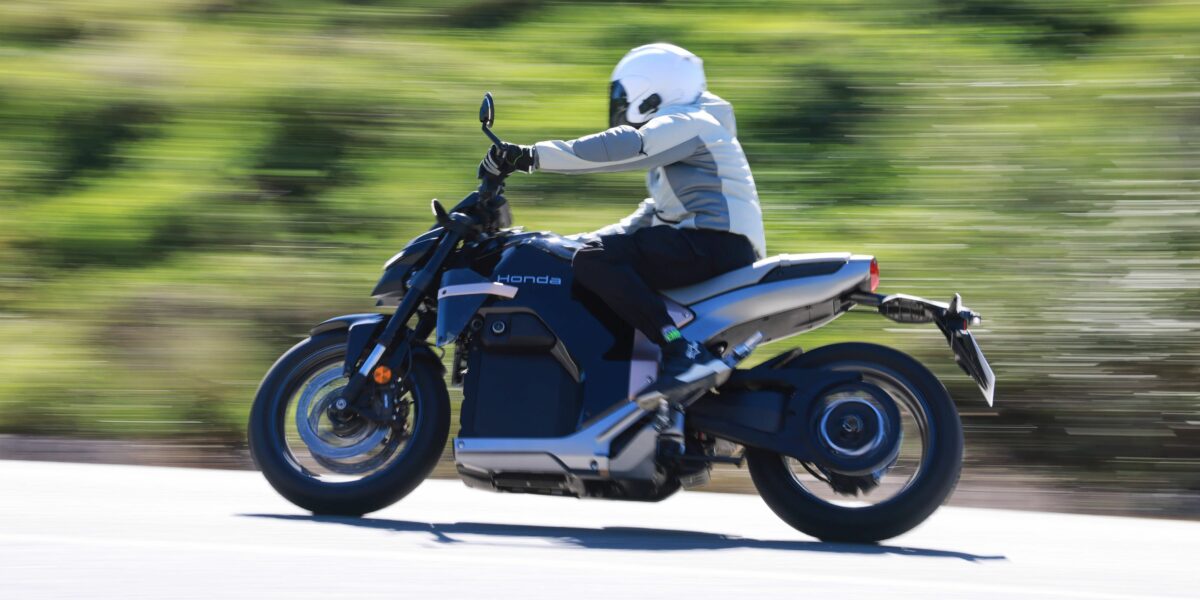
WN7 arrives in silence
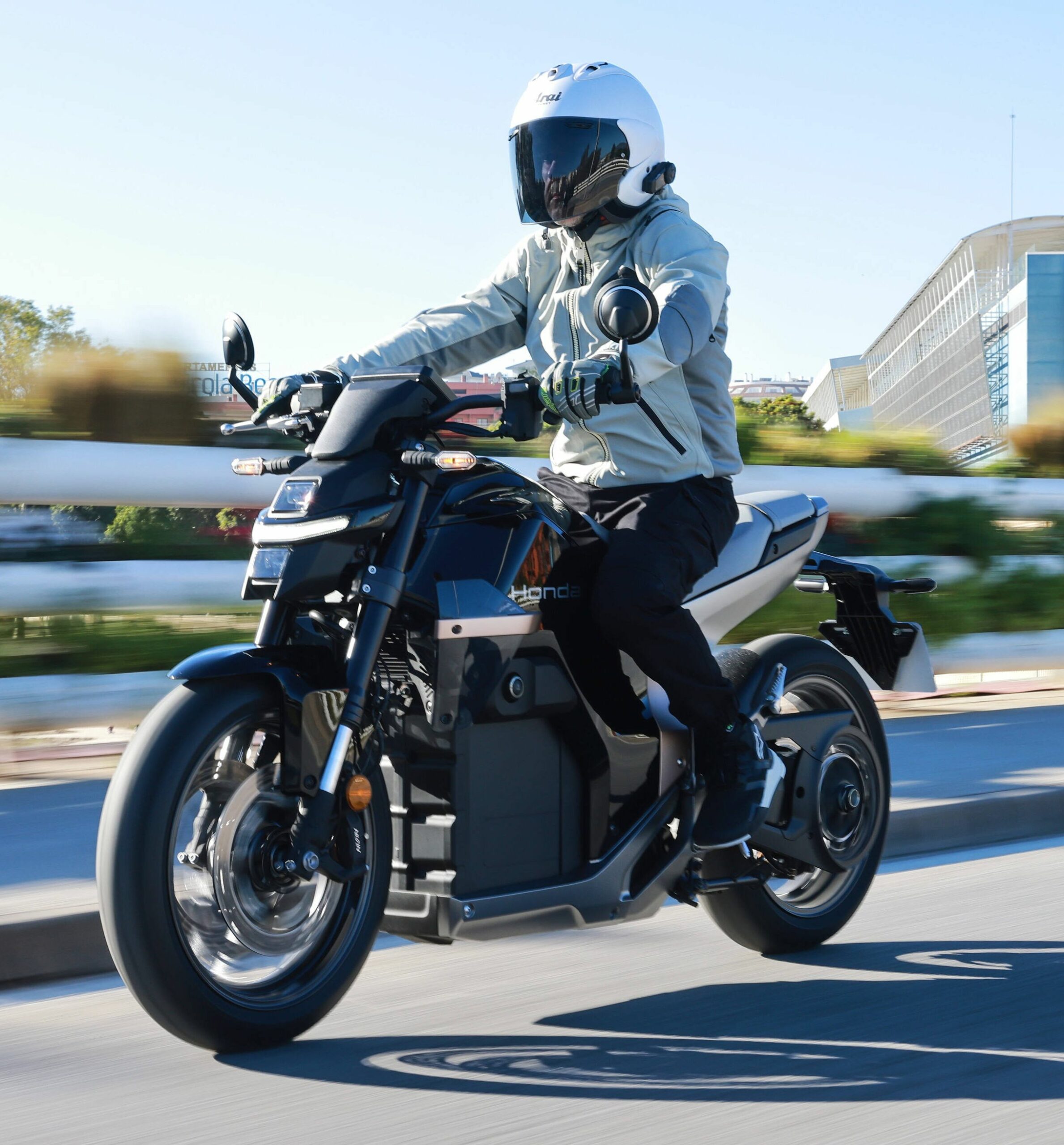
Honda’s much anticipated move into the big electric bike market has moved from concept to reality.
A 600cc-equivalent e-sports bike is in the showrooms.
Paul Browne casts a critical eye over the new WN7.
Electric motorcycles.
It’s fair to say they’ve been received by the two-wheeled fraternity with mixed levels of enthusiasm.
Big showroom prices, limited range, dealerships needing specialised equipment and a poor charging network are mitigated against by a more-than-original riding experience and a whole new world of power delivery.
While there are a number of players in the market already – Zero and Livewire being the bigger names in the game – none of the big four have brought any of their two wheeled EVs out of R&D.
That is until now. I’ve mentioned the WN7, before, but only in the anticipatory abstract. Now it’s landed on our shores. Quietly.
Current affairs
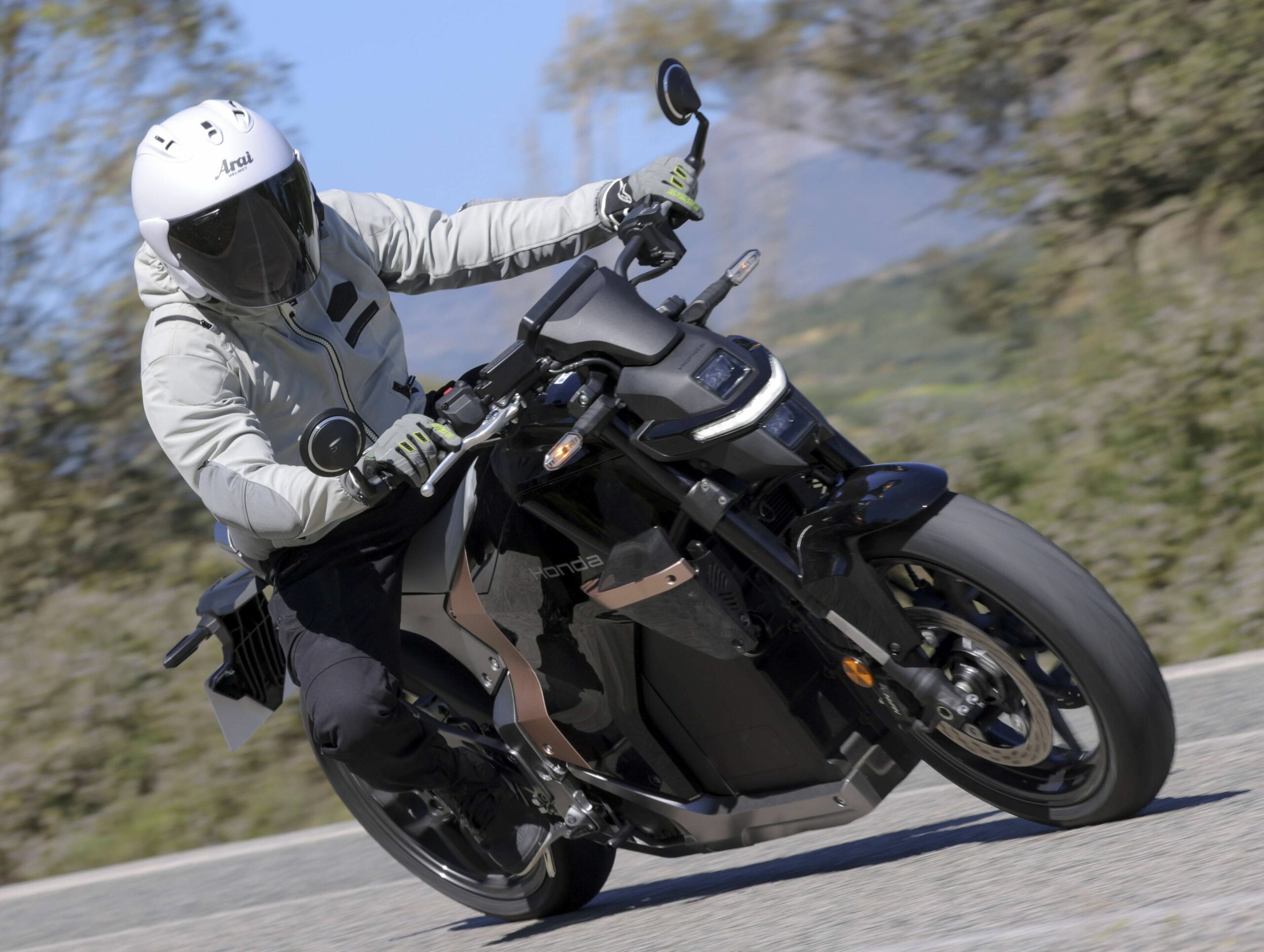 The WN7 marks an incredible change for Honda.
They’ve long been associated with some of the finest combustion engines in the world, from those in CB range in all its variants, to their twins, the six cylinder that propels the Goldwing, not to mention the mighty Cub.
They’ve always been about burning fuel!
Now that the engine is gone there are a few questions about what’s left. Here’s where it gets interesting.
The engineers are quite clear on where the bike’s power unit lives.
The chassis, the mass centralisation, the controls as well as the brakes, tyres and handling are all learned from the 50 years that Honda have been making bikes.
Different to strokes
 Not being powered by internal combustion engines, electric bikes don’t make noise, don’t vibrate and don’t use a gearbox. They’re different.
The team at Honda have taken this difference and used it as an advantage when it came to developing the new bike, creating something entirely new.
Having ridden a few of these machines the differences are pronounced.
Gone is the working through the gearbox and so much that I associate with riding a bike.
What has appeared is the relative silence where I’ve become very aware of the noise that a pair of tyres make as they roll. They also allow me to hear a lot more.
Wind power
Honda’s philosophy, or guiding principal was to ‘Be the Wind’.
It’s an interesting one since that’s what’s left when you take all the other stuff away. The enormous torque and the wind.
Because there’s no gearbox the rider simply rides the throttle to modulate speed from a standing start to top speed and everything in between.
Honda and the projects design team have also built the bike around the battery and the motor, just as they would have with a traditional engine.
 But they’ve added some details that are very new for them.
This is the very first time that a belt has been used as a final drive by the Japanese giant.
The single sided swingarm looks pretty stylish as well!
In a startling outbreak of honesty, charging times are more realistic as are the range, power output and acceleration figures.
This is 600cc equivalent sports bike that will work well in an urban environment.
But will the riding public look at the possibilities that electric machines offer now that Honda have plugged into the idea, or do we still know better without ever having ridden one?

Our best Honda motorbike insurance quotes? Call the two-wheel team on 0818 945 950.
Back to listing